
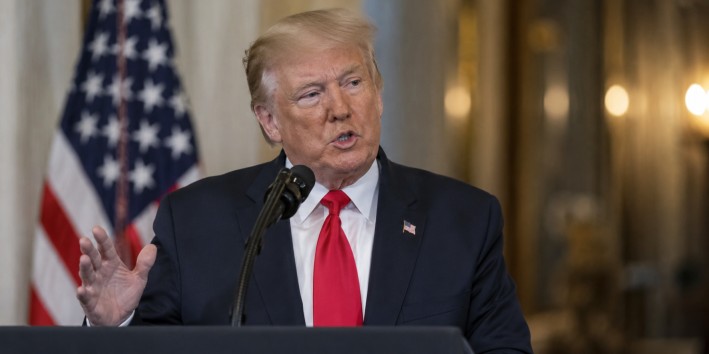
President Donald Trump has indicated that the United States does not foresee the need for military action in Cuba, emphasizing a potential resolution through diplomatic negotiations. Speaking to reporters on September 26, Trump expressed optimism about reaching an agreement with Havana, highlighting the U.S. intention to assist Cuba and foster improved relations.
Trump’s remarks come in the wake of his address at the United Nations General Assembly, where he criticized the Cuban government and expressed support for significant changes on the island. During his UN speech, Trump asserted that freedom would ultimately prevail in Cuba, prompting a walkout by members of the Cuban delegation.
The President also mentioned that Secretary of State Marco Rubio is actively engaged in negotiations with Cuban officials as part of the U.S.’s ongoing pressure campaign against the Cuban government. This approach suggests a current focus on diplomacy rather than military intervention, despite existing high tensions between Washington and Havana.
While Trump’s comments reflect a preference for negotiations, the administration’s strategy remains consistent with its broader objective of promoting change in Cuba, as evidenced by recent diplomatic engagements and rhetorical pressures at international forums.