
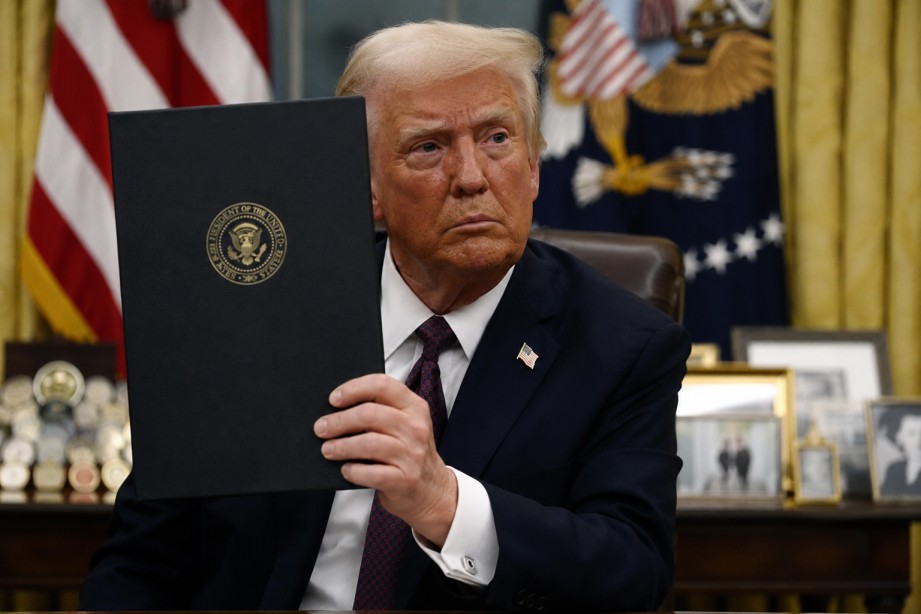
In a surprising move, US President Donald Trump dismissed Roger Rogoff from his newly appointed position as US Attorney for Western Washington, just minutes after he was sworn in. Rogoff, who comes with a background as a former judge and a seasoned state and federal prosecutor, received the unexpected notification of his removal via email soon after taking the official oath of office.
This abrupt dismissal occurred despite Rogoff’s unanimous appointment by federal judges, which came as a response to the expiration of the previous interim US attorney’s term. The vacancy was filled by the judiciary in the absence of a Senate-confirmed nominee. Rogoff has expressed that he is contemplating legal action regarding the decision to terminate his appointment.
The Trump administration has defended its decision, emphasizing that while courts have the capability to appoint temporary US attorneys, the president holds the ultimate authority to remove them. This assertion has sparked a broader discussion about the balance of power between judicial appointments and executive authority.
Critics are concerned that this decision undermines the conventional process of selecting top federal prosecutors. The debate is intensifying, with many questioning the implications such executive actions have on the judiciary’s role and independence in appointing federal attorneys.