
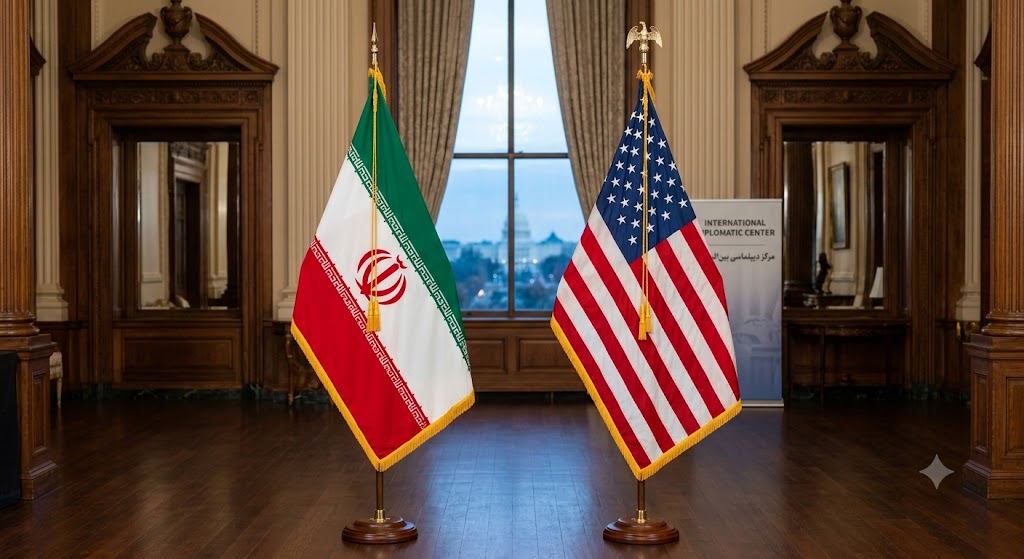
In the midst of ongoing discussions about a potential agreement between Iran and the United States, a senior Iranian official has issued a stark warning to regional countries about the perils of depending on US support. Ali Akbar Velayati, an advisor to Iran’s Supreme Leader, has criticized Western nations for their role in creating instability in the region and emphasized the critical role that Iran plays in maintaining stability in the Gulf, particularly in managing the Strait of Hormuz.
The Strait of Hormuz, a vital corridor for global energy supplies, has been a focal point of international tensions, with a significant portion of the world’s oil and gas shipments passing through it. Recent reports of disputes involving foreign vessels near the strait have heightened these tensions. While US officials have been engaging with Gulf allies, stressing the necessity of ensuring free shipping access through the strait, they have simultaneously warned that any attempts to block or restrict maritime movement could lead to serious confrontations.
Iran has maintained that it has a significant role in overseeing the shipping traffic through this strategic waterway and has rejected pressures for unrestricted passage without acknowledging its status as a coastal country. The Strait of Hormuz’s stability is pivotal not only for regional countries but also for the broader international community, given its importance to global energy markets.
Velayati’s comments underscore the complex geopolitical dynamics at play in the Gulf region, where the interests of local countries intersect with those of global powers. The ongoing discussions and potential agreements between Iran and the US are closely watched, as they hold the potential to either ease or exacerbate these tensions.
Despite the heightened political tensions and the strategic importance of the Strait of Hormuz, oil prices have seen a decline. This market reaction has been driven by expectations that any potential supply disruptions might ultimately be limited, despite the underlying geopolitical uncertainties that continue to loom over the region.