
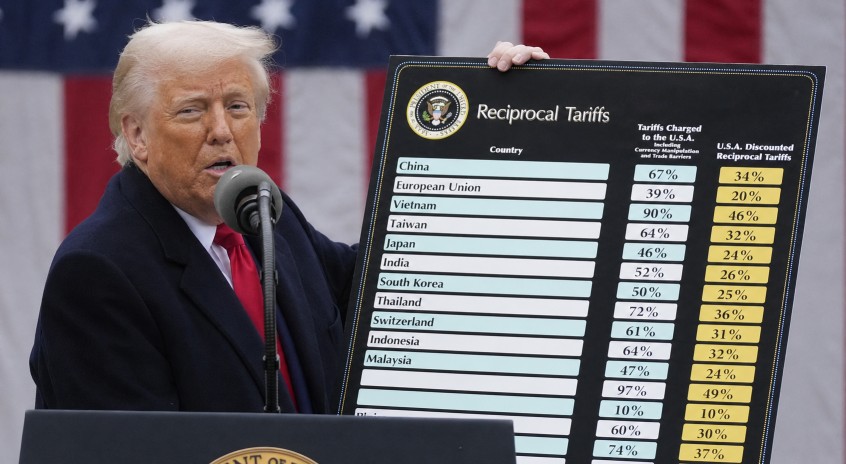
In a significant move that reshapes the landscape of U.S. trade policy, President Donald Trump has unveiled a fresh set of tariffs on imports from over 80 nations. These tariffs, which range from 10% to 12.5%, replace a temporary 10% global tariff that recently lapsed. Countries affected by this decision include major U.S. trading partners such as the United Kingdom, members of the European Union, Canada, Mexico, Australia, India, and China. The administration invoked Section 301 of the U.S. Trade Act of 1974 to justify these measures, citing the need to tackle forced labor issues within global supply chains.
The announcement is a response to a U.S. Supreme Court ruling earlier this year that cast doubt on the legality of previous tariffs imposed using emergency powers. This prompted the administration to pursue an alternative legal basis for its trade actions. U.S. Trade Representative Jamieson Greer emphasized that the U.S. expects its trading partners to enhance their restrictions on imports tied to forced labor.
However, the new tariffs have met with criticism from several allies. Australia and Brazil have labeled the tariffs as unwarranted and expressed intentions to pursue their removal. The European Union has requested clarification from the U.S., with EU officials expressing surprise at the sudden imposition. Meanwhile, Canada has argued against its inclusion in the tariff list, highlighting its existing measures against forced-labor imports and advocating for a multilateral approach to the issue.
Domestically, the tariffs add to the political divide over the administration’s trade strategies. While recent surveys suggest that many Americans believe these policies have led to increased consumer prices, the administration contends that they have bolstered the U.S. economy and safeguarded domestic industries. The legal community remains skeptical about the president’s constitutional authority to unilaterally impose such broad tariff measures, with expectations of further court challenges looming.
As governments worldwide evaluate the potential economic consequences and consider their responses, this latest tariff decision underscores the ongoing complexity and uncertainty in global trade relations.