
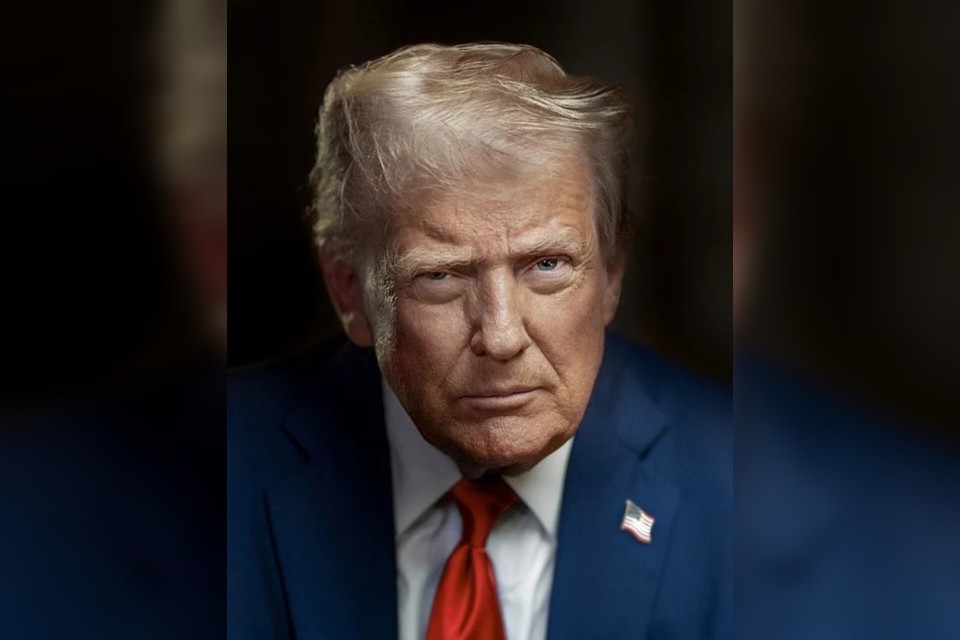
A potential peace agreement between the United States and Iran is reportedly nearing completion, as President Donald Trump claims significant progress has been made following extensive discussions with Middle Eastern and other international leaders. The proposed agreement aims to reopen the crucial Strait of Hormuz and work toward resolving the conflict that erupted earlier this year. Trump indicated that the negotiations are “largely negotiated,” with only a few final details pending before an official announcement can be made. The talks have reportedly involved leaders from countries such as Saudi Arabia, Qatar, Turkey, Egypt, the UAE, Jordan, Bahrain, and Pakistan, in addition to Israeli Prime Minister Benjamin Netanyahu.
Despite Trump’s optimism, Iranian officials have expressed skepticism, particularly concerning control over the Strait of Hormuz. Iranian representatives have insisted that this strategic passage will remain under their jurisdiction, with Iran maintaining authority over shipping routes and permits. Meanwhile, Pakistan, through Prime Minister Shehbaz Sharif, has welcomed the diplomatic developments and expressed hope that another round of U.S.-Iran talks could soon take place on Pakistani soil. It has been suggested that Pakistan’s army chief, General Syed Asim Munir, has played a key role in these mediation efforts, having recently met with Iranian officials in Tehran.
The draft proposal, as reported, may include several significant measures: a 60-day extension of the ceasefire, the reopening of the Strait of Hormuz without imposing tolls, easing restrictions on Iranian oil exports, and renewed discussions regarding Iran’s nuclear program. In exchange, the United States might consider easing restrictions on Iranian ports and releasing frozen Iranian assets as part of a more comprehensive settlement.
While diplomatic progress has been made, underlying tensions persist. President Trump has warned that military action could be back on the table if the negotiations do not succeed. Within the U.S., the potential agreement has sparked a heated debate. Supporters argue it could help prevent further conflict and economic turmoil, while critics, particularly within the Republican Party, contend that the terms echo previous nuclear deals with Iran that they have staunchly opposed.