
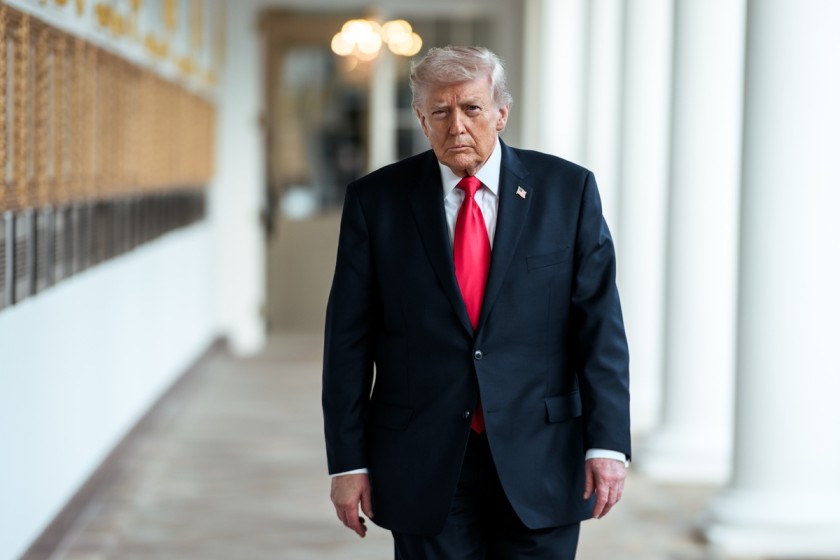
Efforts toward a long-term agreement on regional security and stability between the United States and Iran encountered initial setbacks when Iranian officials briefly exited negotiations in Switzerland. The disruption was prompted by comments from US President Donald Trump, which Iranian delegates found objectionable. These talks, facilitated by mediators from Qatar and Pakistan, aim to build on a recent memorandum of understanding that hopes to defuse tensions in the Middle East, enhance maritime security, and tackle broader issues between Washington and Tehran.
The Iranian delegation expressed dissatisfaction with Trump’s public threats concerning Iran’s activities in the Strait of Hormuz and its support for allies in the region. In response, Iranian representatives deemed the remarks inappropriate for an ongoing diplomatic engagement. Nonetheless, the discussions continued behind the scenes with mediators working to keep both parties at the table. Iranian Foreign Minister Abbas Araghchi later acknowledged the effective mediation, while officials from Qatar and Pakistan confirmed plans for further technical talks throughout the week.
Central to the negotiations are issues related to stability in the Strait of Hormuz, adherence to ceasefire agreements in Lebanon, and economic challenges such as sanctions and frozen Iranian assets. Iran has insisted that any enduring agreement must encompass guarantees on regional security and the lifting of sanctions.
US Vice President JD Vance adopted a more diplomatic tone, expressing Washington’s desire to improve relations with Iran, contingent upon advancements in regional stability and nuclear issues. Despite persistent disagreements, both sides have expressed a commitment to continue discussions.