
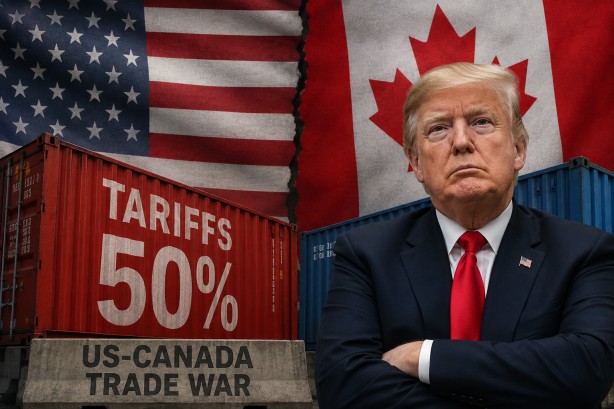
The trade conflict between the United States and Canada has intensified, as US President Donald Trump has imposed substantial tariffs on Canadian imports following unsuccessful negotiations. The US has levied a 50% tariff on approximately $20 billion worth of Canadian goods, targeting items such as hockey sticks and medical supplies. This move marks a significant escalation in trade tensions between the two neighboring countries.
In response to the US action, Canadian Prime Minister Mark Carney has pledged to implement reciprocal tariffs on American products. Carney announced that Canada would match the US tariffs “dollar for dollar,” with these measures set to take effect on September 8. He characterized the US tariffs as an aggressive move against Canada and emphasized that his government would reject the demands put forth during the recent discussions.
US Trade Representative Jamieson Greer stood by the decision to impose tariffs, arguing they are essential for safeguarding American workers and maintaining the integrity of domestic supply chains. The growing trade dispute has sparked concerns about the stability of the USMCA, the trade agreement that facilitates around $2 trillion in annual trade between the United States, Canada, and Mexico.
The escalating tensions and impending tariffs raise the possibility of increased costs for businesses and consumers on both sides of the border. This development threatens to further complicate the economic relationship between the US and Canada, making future trade negotiations more challenging.