
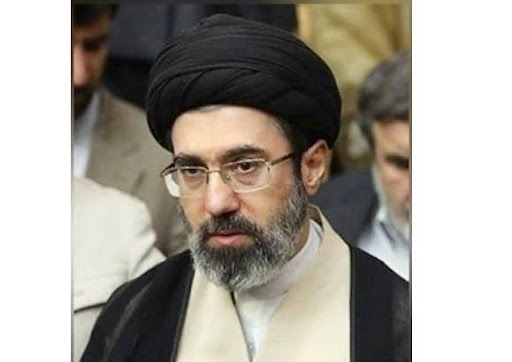
Iran demonstrated on Sunday that a change in supreme leadership does not mean a change in strategic direction. While the Assembly of Experts was announcing the appointment of Mojtaba Khamenei as the country’s new supreme leader, Iranian forces were conducting coordinated strikes against five Gulf states: Saudi Arabia, Kuwait, Qatar, Bahrain, and the UAE. The attacks killed two civilians in Al-Kharj, Saudi Arabia, damaged a desalination plant in Bahrain, and prompted Saudi defenses to intercept 15 drones. The message was clear: pressure on Iran’s neighbors would continue unabated.
Mojtaba Khamenei, 56, was named to the supreme leadership following a decisive vote by the Assembly of Experts. He succeeds his father, Ayatollah Ali Khamenei, who was killed in a US-Israeli strike on Tehran on February 28. The new leader has no formal governing experience, having built his influence through informal channels within the regime. His deep ties to the IRGC and conservative clerical networks were the basis for his selection and are expected to shape his leadership approach.
All of Iran’s major institutions declared their loyalty within hours of the announcement. The IRGC, armed forces, parliament, and senior security officials endorsed Mojtaba in coordinated fashion. Ali Larijani praised his capacity for leadership. Yemen’s Houthi rebels offered enthusiastic congratulations, framing the appointment as a new chapter in the resistance against Iran’s enemies. Iranian state media showed missiles inscribed with the new leader’s name alongside comprehensive coverage of institutional support.
Israel maintained its operations against Iran on Monday, launching new strikes on what the Israeli military described as regime infrastructure in central Iran and also striking Hezbollah positions in Lebanon. The IRGC threatened that oil could exceed $200 per barrel if strikes on Iranian energy facilities continued. The United States pledged not to target Iranian energy infrastructure. Trump issued warnings about Mojtaba’s future without specifying concrete policy steps, leaving the nature of American pressure deliberately ambiguous.
Mojtaba Khamenei’s command of Iran’s military and regional operations will be observed closely in the coming weeks. If he directs the IRGC to continue or intensify its current posture, he signals that he is genuinely in command and committed to the confrontational strategy. If operations appear to proceed on their own momentum without clear direction from the supreme leadership, questions will arise about who is really making the key decisions. Either way, the Islamic Republic’s neighbors are bracing for more.