
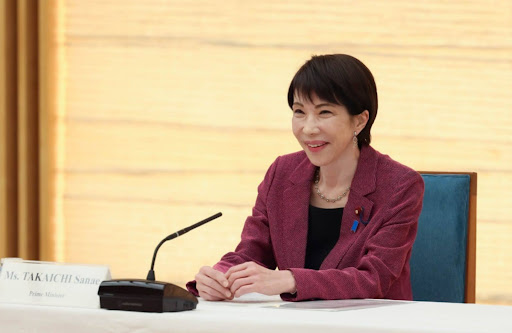
Japan’s energy crisis is highlighting the urgent need for greater supply diversification as the government announces its largest-ever strategic oil release. Prime Minister Sanae Takaichi confirmed that approximately 80 million barrels of state crude — 45 days of domestic demand — will be distributed to refiners starting this week. A prior 15-day release from private-sector reserves was approved last week. Both measures are triggered by the US-Israel conflict with Iran and the threat to the Strait of Hormuz, which handles over 90% of Japan’s crude imports.
Japan’s over-reliance on a single supply corridor has long been a source of concern among energy policy experts. The current crisis has crystallised that concern into an immediate operational challenge. Takaichi declined US President Trump’s request for military engagement, citing the constitution, and has committed to diplomacy. In the short term, however, Japan’s only tools are the reserves it has carefully stockpiled over decades.
The current 80 million barrel release is 1.8 times the 2011 Fukushima emergency drawdown. Japan holds approximately 470 million barrels in total reserves, covering around 254 days of domestic demand. Officials say the release is sustainable and that the long-term reserve position is secure. The government is prepared for further action if the crisis continues or worsens.
Fuel subsidies cap retail gasoline at ¥170 per litre after record highs of ¥190.8. Weekly reviews allow the policy to stay current with oil price movements. The policy has been broadly praised as timely and well-designed. The combined use of reserve releases and price controls provides a comprehensive framework for managing the current disruption.
Toilet paper panic has spread on social media, driving some consumers to hoard. The trade ministry confirmed that 97% of Japan’s toilet paper is produced domestically from recycled materials with no oil import dependence. Industry groups confirmed supply stability. Beyond managing the immediate crisis, Japan’s leaders are increasingly discussing the longer-term need to reduce the country’s structural energy vulnerabilities through diversification and renewable investment.