
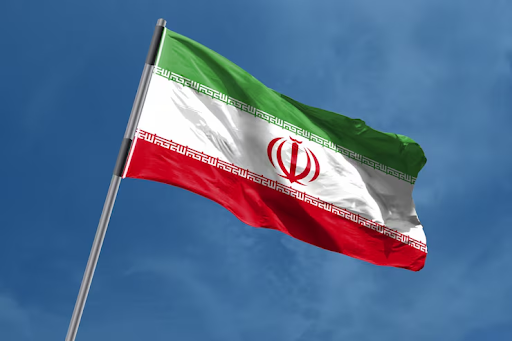
Iran’s decision to reject the US ceasefire proposal and keep diplomacy at arm’s length was shaped in large part by a history of catastrophic experience with American negotiations, according to senior Iranian officials who spoke publicly about the country’s mistrust. Iran had been attacked twice during previous diplomatic engagements — once during a 12-day war with Israel and once during the current conflict when a comprehensive deal had reportedly been within reach. That track record made Iran’s negotiators deeply reluctant to enter any formal talks that could expose their leadership to military strikes.
The US proposal — a 15-point document delivered through Pakistan — asked for nuclear disarmament, missile constraints, the reopening of the Strait of Hormuz, and offered sanctions relief. Iran’s foreign ministry spokesperson said the country had a very catastrophic experience with US diplomacy, a phrase that captured the existential suspicion governing Tehran’s approach. Foreign Minister Araghchi confirmed the document had reached senior officials while making clear that Iran was not ready to negotiate. State television broadcast a statement from an unnamed official saying Iran would fight on until its own conditions were satisfied.
Tehran’s five-point counter-plan demanded a full halt to strikes on Iranian territory and officials, security guarantees with legal force, war reparations, and sovereign Iranian authority over the Strait of Hormuz. Israel continued its air campaign against Iran in parallel, striking targets across multiple cities including Isfahan. Iran retaliated with ballistic missiles against Israel and drone attacks on Gulf nations, with a major fire breaking out at Kuwait’s international airport and Saudi Arabia intercepting eight drones near its oil infrastructure. Kuwait arrested six people suspected of being part of a Hezbollah network targeting its leadership.
The killing of pragmatic Iranian officials by Israel and the US had further constricted the diplomatic space. Ali Larijani, the secretary of Iran’s supreme national security council and one of the more moderate figures in the Iranian security establishment, had been among those killed. His absence, along with that of other potential interlocutors, meant the remaining Iranian leadership was both more hardline and more personally cautious about any engagement that might expose them to targeting.
Despite these obstacles, diplomatic activity continued. China’s foreign minister held calls with Turkish and Egyptian counterparts urging dialogue. Egyptian and Pakistani officials expressed hope that direct talks could begin by Friday. The White House maintained an optimistic tone, citing Trump’s assertion that Iran was eager for a deal beneath its public bluster. With Trump’s approval at 36% and a majority of Americans expressing war fatigue, the pressure to find a resolution was intense — but the mutual distrust between Washington and Tehran represented one of the deepest obstacles to any deal.