
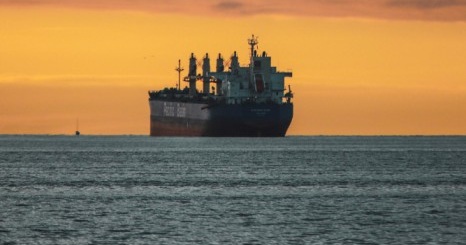
Oil prices experienced a notable drop on Friday, driven by U.S. President Donald Trump’s indication that a peace agreement with Iran might be on the horizon. This development sparked hopes for reduced tensions in the critical Strait of Hormuz. Brent crude prices, which had been hovering around $93 per barrel earlier in the week, briefly fell below $85 during trading before rebounding slightly to settle between $87 and $89. The market’s initial optimism was tempered by conflicting signals from both Washington and Tehran, which left investors uncertain about the prospects of a deal.
The initial decline in oil prices was fueled by the possibility that a deal with Iran could lead to the reopening of the Strait of Hormuz, a vital shipping lane for global oil and gas exports. However, the market’s enthusiasm was dampened as both sides issued mixed messages about the progress of the negotiations. President Trump mentioned that military action against Iran had been paused due to advancements in talks, yet he downplayed reports suggesting that a final agreement had been reached. Meanwhile, Iranian officials confirmed that discussions were ongoing but stopped short of announcing a conclusive deal.
Analysts noted that oil markets remain highly sensitive to political developments, with prices reacting sharply to news regarding potential conflict or diplomatic resolutions. Despite the recent volatility, there is some expectation among financial institutions that oil prices may gradually stabilize. This stabilization is anticipated as global supply conditions improve and stockpiles are replenished. Nonetheless, the outlook remains uncertain due to persisting geopolitical risks and fluctuating demand patterns.
The recent fluctuations in oil prices underscore the market’s vulnerability to geopolitical events. As negotiations between the U.S. and Iran continue, traders and analysts are closely monitoring developments, which could have far-reaching implications for global energy markets. While some hope for a diplomatic breakthrough that could stabilize prices, others remain cautious given the unpredictable nature of the ongoing talks and the region’s complex geopolitical landscape.