
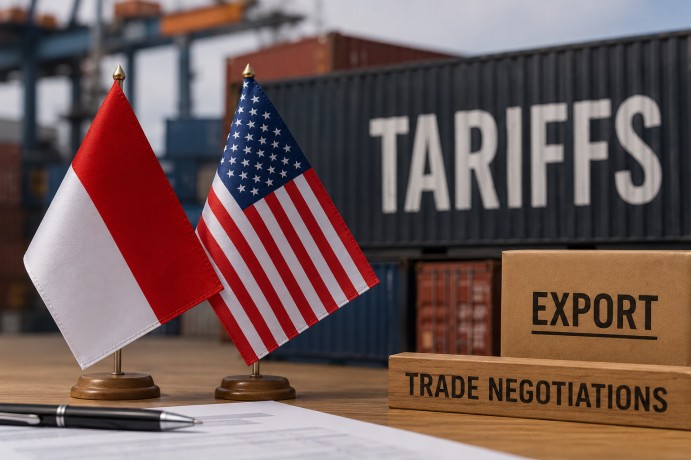
Indonesia is in discussions with the United States to ensure that tariff exemptions previously agreed upon remain intact, following the introduction of a new 10% U.S. tariff. This measure, aimed at addressing forced labor concerns, includes Indonesia among the countries subject to the reduced levy. Indonesian officials are working closely with U.S. trade authorities to maintain duty-free access for significant exports like crude palm oil, cocoa, coffee, and natural rubber under existing trade agreements.
Additionally, Indonesia is awaiting the results of a separate U.S. investigation into structural excess capacity, which could potentially lead to further trade measures. The Indonesian government has expressed its commitment to continuing negotiations in order to secure competitive tariff rates and safeguard its exports. This strategic move aims to protect key sectors of the Indonesian economy amid changing international trade dynamics.
The recent U.S. policy also offers preferential treatment for certain Indonesian textile exports that incorporate U.S. cotton and other American inputs, highlighting a nuanced approach to trade relations. This aspect of the policy underscores the complexity and interdependence of the trade relationship between the two nations, as well as the ongoing importance of bilateral cooperation in the textile industry.
From January to May 2026, Indonesia reported a bilateral trade volume with the United States amounting to $18.4 billion, achieving a trade surplus of approximately $7 billion. This trade surplus reflects the strength of Indonesia’s export sector and the significance of the U.S. as a key trading partner. Maintaining favorable trade terms is crucial for Indonesia, as it looks to continue its economic growth and international market presence.