
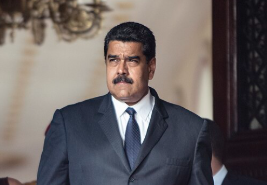
President Trump’s confirmation that captured Venezuelan President Nicolás Maduro and his wife Cilia Flores are aboard a ship being transported to the United States raises additional legal and procedural questions. The maritime detention represents an unusual method for moving foreign leaders to face criminal prosecution.
The shipboard journey creates ambiguous jurisdictional questions about when and where various legal protections might apply. International maritime law, US domestic law, and international human rights standards all potentially intersect during transit, creating complex legal scenarios without clear precedents.
Russia has demanded the immediate release of the detained leaders, characterizing the entire operation including maritime transportation as a sovereignty violation. China similarly expressed shock at the capture and detention, with both nations rejecting the legal framework the United States is attempting to establish.
US Attorney General Pam Bondi has announced that the couple will face drug trafficking charges in New York, with Secretary of State Marco Rubio confirming the charges relate to narcotics operations. The maritime transportation phase adds complexity to already unprecedented legal proceedings.
The international response has been characterized by widespread condemnation, with UN Secretary General António Guterres warning of dangerous precedents. European leaders have called for respect of international law, while Latin American responses have divided along ideological lines. Legal experts question multiple aspects of the proceedings, from initial capture through maritime transportation to eventual federal prosecution, with each phase raising distinct jurisdictional and procedural concerns.