
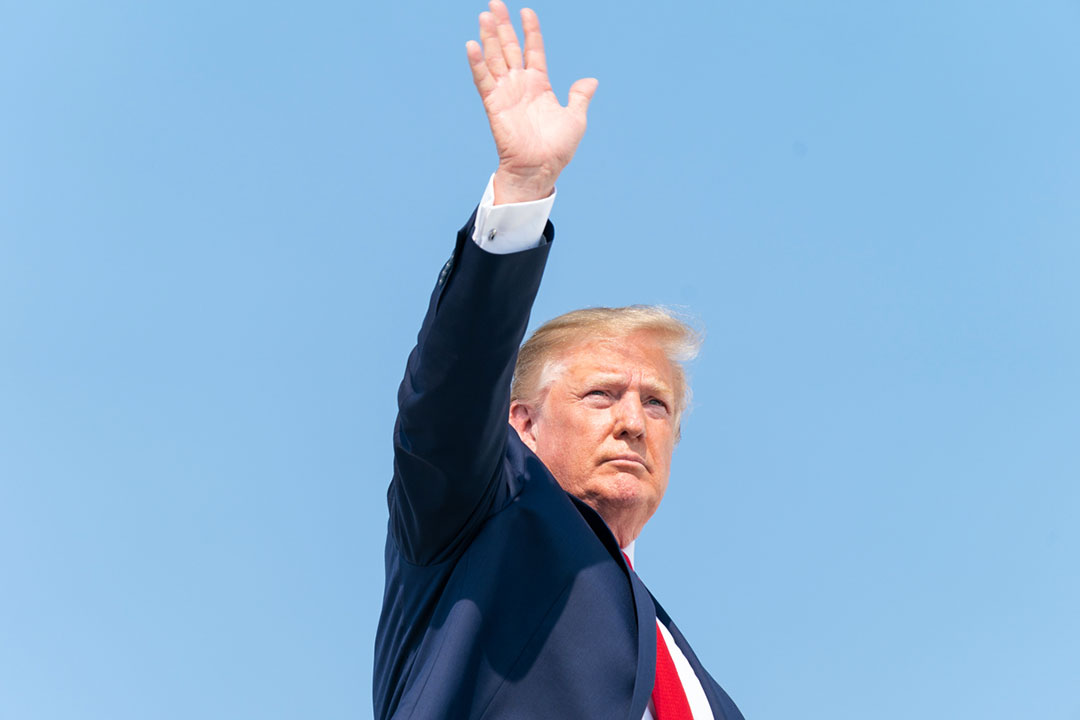
The arrival of Trump’s special envoy, retired Lt. Gen. Keith Kellogg, in Kyiv represents the opening move in what promises to be a comprehensive recalibration of American policy toward the Ukraine conflict. This diplomatic mission coincides with President Trump’s preparation to announce a more confrontational stance against Russian aggression, marking a pivotal moment in the administration’s approach to the war.
Trump’s relationship with Vladimir Putin has undergone a dramatic transformation, evolving from complex diplomatic engagement to open hostility. The President’s frustration with Putin’s refusal to pursue meaningful peace negotiations has reached a boiling point, resulting in increasingly sharp public criticism. Trump’s recent statement that Putin has “gone absolutely CRAZY!” represents the most direct condemnation yet of Russian leadership, signaling a complete breakdown in any pretense of diplomatic cooperation.
The humanitarian crisis in Ukraine has reached unprecedented levels, providing the backdrop for this policy shift. June’s record-breaking civilian casualties reflect the intensification of Russian attacks, which have systematically targeted civilian infrastructure and population centers. The overwhelming of Ukrainian air defenses by sustained missile and drone strikes has created a desperate situation requiring immediate international intervention.
America’s response centers on the provision of Patriot air defense missiles, with European Union financial backing ensuring rapid deployment. This collaborative approach reflects a broader international consensus on the need for enhanced Ukrainian defensive capabilities. Political leaders, including Senator Lindsey Graham, anticipate that increased Western military aid will create sufficient pressure to compel Russian negotiation. The coordination between Washington and NATO allies, exemplified by Secretary-General Mark Rutte’s recent visit, demonstrates the unified nature of the Western response.