
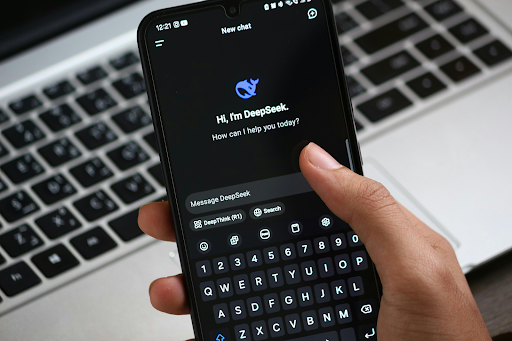
While the immediate rivals are OpenAI and Alibaba, DeepSeek’s hyper-efficient AI model poses a subtle but significant long-term challenge to the “Cloud Kings”: Amazon Web Services (AWS) and Google Cloud. The reason is simple: more efficient AI means less consumption of expensive cloud computing resources.
The business models of the major cloud providers rely on customers consuming vast amounts of their computational resources. The AI boom has been a massive windfall for them, as training and running large models requires renting huge fleets of their most expensive, high-end GPU servers.
DeepSeek’s Sparse Attention architecture is designed to do more with less. An application built on DeepSeek’s model will, by definition, consume fewer computational resources than a similar application built on a less efficient model. This means lower monthly bills from AWS, Google Cloud, or Microsoft Azure.
If DeepSeek’s efficiency-first philosophy becomes the industry standard, it could lead to a gradual reduction in the overall demand for raw, brute-force computing power. The cloud providers would still be essential, but the explosive, exponential growth in AI-driven demand could begin to level off.
This is a long-term, strategic threat. While the Cloud Kings are currently benefiting from the AI race, the innovations pioneered by companies like DeepSeek are planting the seeds for a future where intelligence is less dependent on massive server farms. It’s a fundamental challenge to the “pick and shovels” business model of the cloud era.