
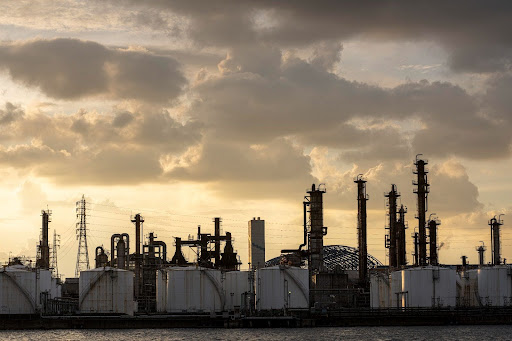
While the Iran-Israel conflict has dominated headlines in the Middle East and the West, its most significant economic consequences may ultimately be felt in China, which receives much of Iran’s oil exports. With global crude prices crossing $100 per barrel and Iranian production under threat, Beijing faces an energy squeeze that could have far-reaching consequences for the world’s second-largest economy.
Iran produces roughly four percent of global oil, with the bulk of its exports going to China under arrangements that have allowed Beijing to purchase Iranian crude at a discount despite international sanctions. Any sustained disruption to that supply would force China to seek more expensive alternatives, adding to its energy costs and potentially slowing economic growth.
Israeli strikes on oil storage facilities near Tehran killed four workers and left the capital shrouded in smoke. Iran’s Revolutionary Guards threatened to push global oil to $200 per barrel and launched strikes against Saudi Arabia, the UAE, Qatar, Bahrain, and Kuwait, damaging a Bahraini desalination plant and killing two Saudi civilians.
A US service member died from wounds sustained in an Iranian attack in Saudi Arabia, the seventh American killed in the conflict. Reports that Russia had been sharing targeting intelligence with Iran raised questions about whether Beijing’s close relationship with both Moscow and Tehran had given it any advance knowledge of Iran’s military operations.
Iran’s clerical body appointed Mojtaba Khamenei as supreme leader following his father’s death. His appointment was historic and widely condemned, and analysts noted that his selection placed an untested leader at the helm of a country whose oil exports were a critical component of China’s energy security — with potentially significant consequences for global markets.